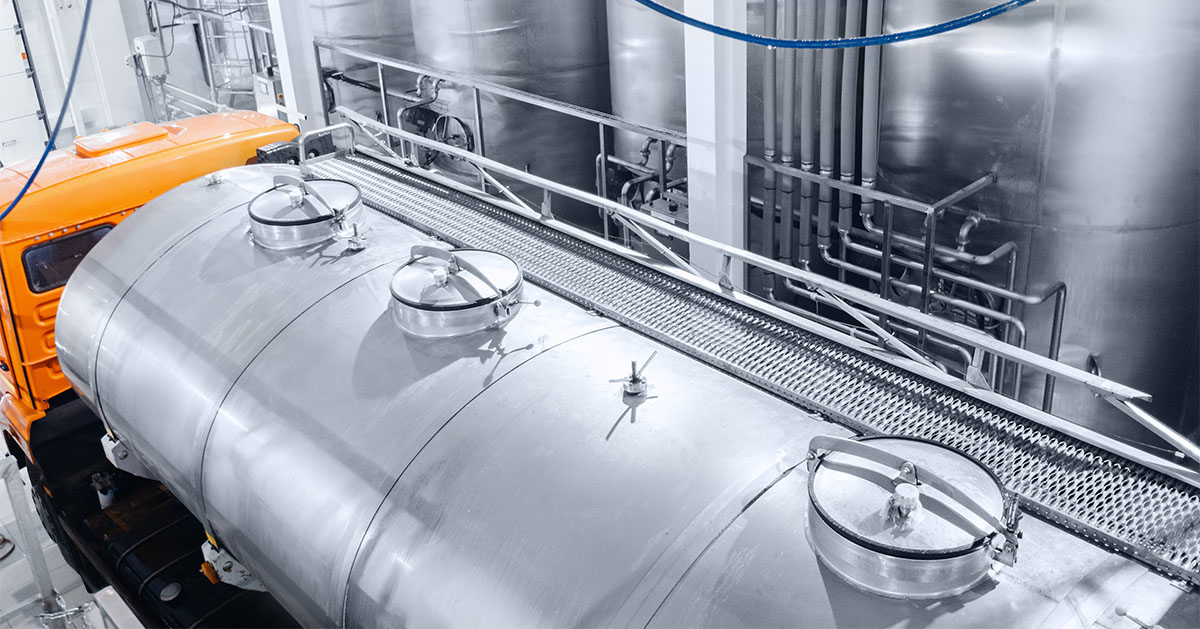





Dry bulk shipping by truck plays an essential role in industries ranging from agriculture and construction to chemicals and manufacturing. In the context of over-the-road (OTR) transport, dry bulk freight refers to certain loose, unpackaged goods like grain, sand, cement, fertilizers, and plastic pellets. These commodities move in large volumes and often have unique flow properties, sensitivities to moisture or contamination, and special handling requirements.
Managing this complexity calls for the implementation of best practices that prioritize safety, efficiency, and regulatory compliance. The right equipment, procedures, and partnerships reduces risk and costs and ensures efficient delivery of dry bulk goods.
Choosing the Right Trailer Type for Your Commodity
Successful dry bulk shipping starts with matching the correct trailer to the commodity being hauled. Different materials demand different handling characteristics:
- Pneumatic tankers are ideal for fine powders such as cement, flour, lime, and some chemicals. These tankers use pressurized air to unload cargo through hoses, making them suitable for materials that can’t be dumped.
- Hopper bottom trailers or grain hoppers are perfect for grain, animal feed, granular fertilizers, or plastic pellets. Gravity feeds the load out of bottom gates for unloading at mills, elevators, or processing plants.
- End dumps or belly dumps handle coarse, heavy materials like sand, gravel, or mining products. They allow for quick unloading but require careful site preparation.
Selecting the right trailer also means consideration of material characteristics such as abrasiveness, density, or sensitivity to moisture. Proper equipment selection prevents contamination, wear and tear on the trailer, and unloading difficulties. Shippers must also make sure their loads comply with state bridge laws and axle weight limits — which may be modified in the near future — to avoid fines or roadside delays.
Prioritize Proper Loading and Unloading Procedures
Dry bulk product is generally loaded from a silo or rail. The loading method determines what type of equipment, trailer, and qualified carrier/driver should be on the load.
Loading and unloading dry bulk materials involve risks of spills, imbalance, and even rollover. The use of calibrated loading systems helps ensure that trailers are not overloaded and that product is evenly distributed within the trailer. An unbalanced load can compromise trailer stability, especially when navigating turns or rough roads.
At the delivery location, site prep is critical. Access roads and unloading zones must offer clear paths, sufficient incline where required, and stable surfaces to support heavy equipment. For pneumatic unloading, operators must closely monitor air pressure and flow rates to avoid blockages that can delay unloading and damage equipment.
A blower used in unloading dry bulk freight, particularly for materials like plastic pellets, cement, flour, or sand, is a high-powered pneumatic device designed to create a steady flow of air to move product out of a trailer or railcar.
Monitoring of air pressure is also important for safety reasons. Sudden pressure spikes or improper hose connections can pose a serious risk of injury if a line bursts.
Implement Rigorous Cleaning and Contamination Controls
Cleanliness is critical in dry bulk shipping, especially when switching between incompatible materials or when transporting food-grade or chemical-sensitive cargo. Residual product left behind can contaminate future loads, resulting in rejected shipments and costly product loss.
There must be thorough cleaning between loads, often at certified washout facilities. Many shippers require documented proof of cleaning for compliance purposes. Whether hauling food ingredients or industrial chemicals, drivers and carriers must follow strict procedures to maintain cleanliness to adhere to both regulatory and customer requirements.
Monitor Moisture and Environmental Exposure
Moisture is the enemy of many bulk materials. Grain, cement, and fertilizers can all be damaged or rendered unusable if exposed to rain or humidity. Shippers should ensure that trailers are properly sealed with hatches or tarps and that loading takes place in dry environments.
Smart scheduling also helps minimize exposure risks. Coordinating pickups and deliveries to avoid adverse weather conditions reduces the likelihood of costly delays or damaged cargo.
Ensure Safety and Regulatory Compliance
Compliance is non-negotiable in dry bulk shipping. Regulations from the Federal Motor Carrier Safety Administration (FMCSA) govern driver hours of service (HOS), weight limits, and equipment inspections. In some cases, such as certain chemical fertilizers or mineral products, hazmat rules apply.
OSHA standards further address loading dock safety, fall prevention, and confined space entry for tankers. Drivers must be trained in proper use of personal protective equipment (PPE) and safe unloading techniques, especially when dealing with potential hazards like pressurized pneumatic unloading systems.
Optimize Routing and Scheduling for Efficiency
Shipping dry bulk is about efficiency as well as safe handling. Long delays at shipper or receiver sites increase costs for every party. Coordinating appointment times, loading schedules, and unloading windows helps reduce detention time and keeps trucks moving.
Technology plays a growing role here. GPS tracking and real-time driver communication allow for smarter scheduling and route optimization. With the right tools, carriers can minimize empty miles and even identify backhaul opportunities, improving both profitability and sustainability.
Partner with a Dry Bulk Transport Expert
Ultimately, dry bulk shipping is a specialized segment of freight transportation that demands attention to detail, industry know-how, and careful coordination. The right equipment, handling procedures, and carrier partnerships make all the difference.
That’s where Wicker Park Logistics comes in. A woman-owned logistics company and WBENC Certified Business, Wicker Park provides tailored dry bulk solutions backed by real-time visibility tools, a vetted carrier network, and deep expertise in the complexities of bulk freight.
In addition, Wicker Park specializes in bulk tanker shipping of chemicals, lubricants, petroleum and fuels, etc., through optimizing loads, regulatory compliance, sustainability, and advanced technology. Other core focus sectors include food & beverage, paper & packaging, solar panels, film production, and more.
A full-service logistics solution provider, Wicker Park can handle FTL, LTL, flatbed, hotshot, inbound logistics, liquid bulk, expedited and dedicated freight, intermodal, freight brokerage, and supply chain services. We can also help you mitigate the impact of rising import tariffs.
Ready to improve your dry bulk shipping? Get a quick quote today.